Most new growers (and even some experienced ones) are making their bulk substrates for CO2-tolerant mushroom species, like psilocybe cubensis, totally wrong.
A lot of us get started in this hobby learning about the classic bulk substrate recipe “CVG” - a blend of coco coir, vermiculite, and gypsum.
The reasons for this are that coco coir is a cheap, plentiful bulk substrate base that is biodegradable and pH-neutral,
Vermiculite aids in aeration and water retention, and
Gypsum is an anti-clumping agent, and also provides nutrients that help mushroom mycelium flourish.
I think some of these reasons are off-base, and that most growers (especially new hobbyists) would be better off simplifying their bulk sub to a single ingredient: pure coco coir.
In order to break this down, let’s start by clearly calling out the actual role of a bulk substrate:
To hold all the water that mycelium needs to produce huge flushes of mushrooms To provide a large surface area for mushroom formation
The role of bulk substrate is not to provide nutrition - Coco coir, vermiculite, and gypsum are all inert (to mycelium) and don’t provide any energy for growth or mushroom production. All the nutrition needed by the mycelium is held in the grain spawn.
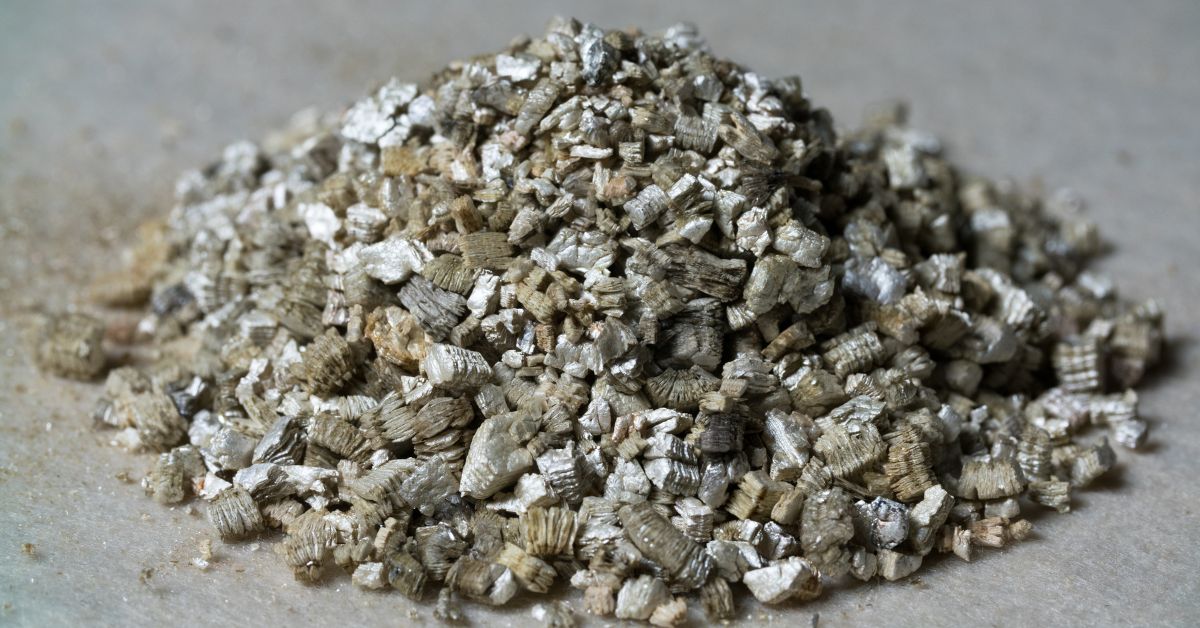
Vermiculite is a mineral that’s expanded into a soft, almost styrofoam-like state by heating. It’s mostly air, which makes it great at retaining water - capable of holding about 225% its own weight in water.
That seems like a great addition, considering the main job of bulk substrate, but let’s keep moving:
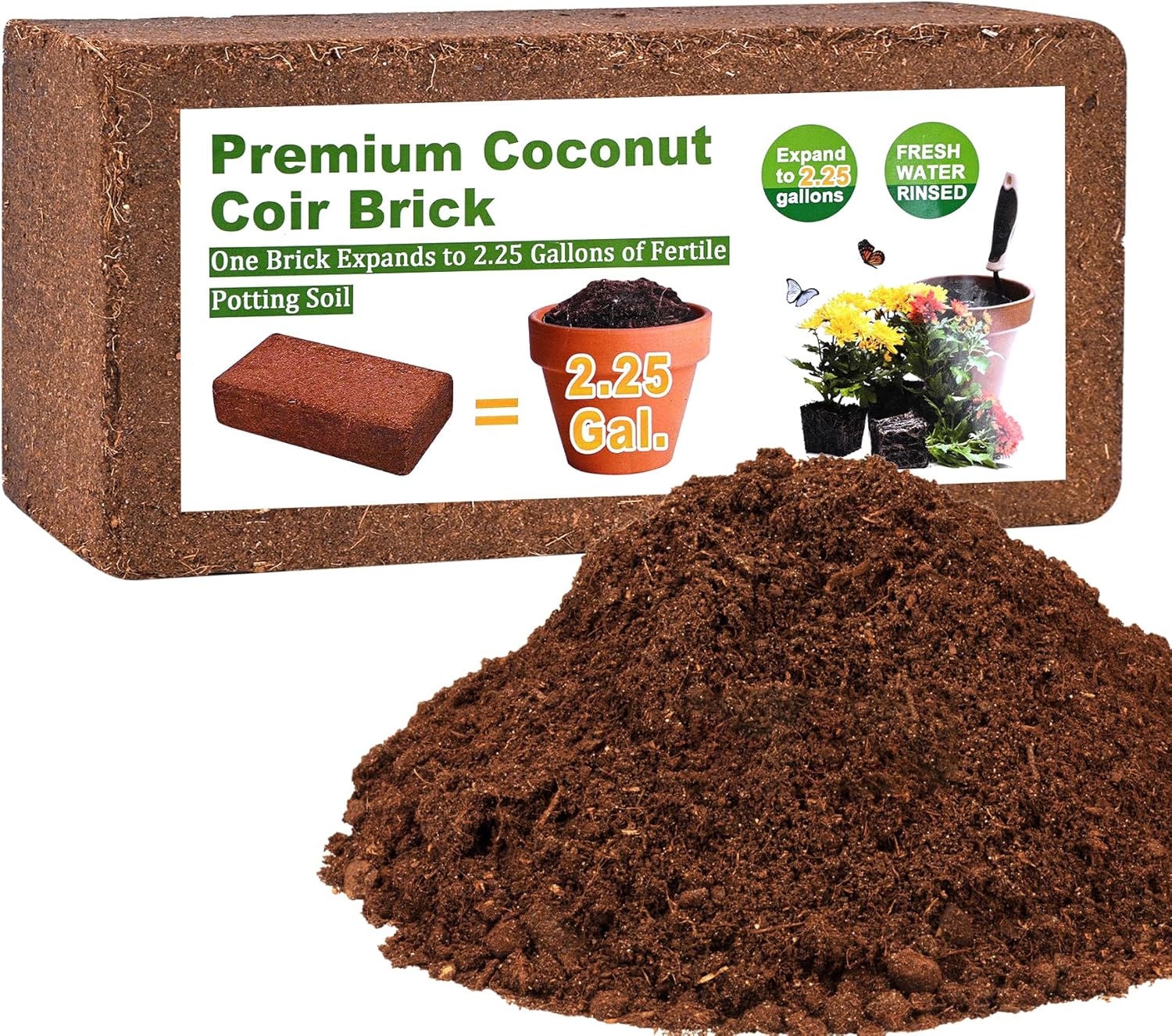
Coco coir is the shredded outer husk of a green coconut. It’s used in gardening, and as pet bedding.
Coco coir holds about 500% its weight in water - twice as much as vermiculite.
So, by including vermiculite in your bulk substrate recipe, you might actually be reducing its water capacity!
In the stores around me, coir is also WAY cheaper than vermiculite, so verm isn’t a good option for padding out your substrate to save money either.
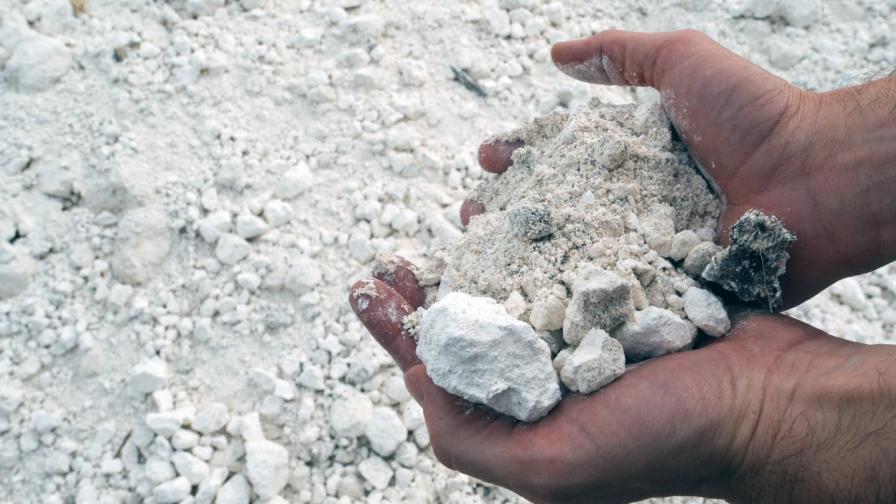
Gypsum is a little more complicated.
A Google search might tell you that gypsum is good at holding water too - but it weighs in at about 18% water retention by weight, nowhere close to coir or vermiculite.
Its use as an anti-clumping ingredient doesn’t seem very compelling - anyone with a grow or two under their belt probably knows that coir clumps aren’t really a problem.
So that leaves the idea that gypsum provides some nutrition that helps our mushrooms thrive.
In side-by-side testing, I haven’t found a big difference in yields. This is an experiment I look forward to repeating though, and I’ll definitely share grow logs here, and on the Myco@Home Youtube channel!
So lastly, if the only job of our bulk substrate is to hold water, could we theoretically grow our mushrooms on anything that holds water?
What about a dish sponge?
Maybe we should find out…
Anyway, the good news about all this is that you can simplify and streamline your cultivation by using straight coco coir as your bulk substrate. That means less money spent, and fewer trips to the store (or stores) for multiple ingredients.
Just put your monotub size (or spawn quantity) into the Myco@Home Bulk Substrate Calculator, and it’ll tell you exactly how much dry coir, spawn, and water you need, so that you can have perfect results every time.
…It’ll even let you add vermiculite and gypsum too, if you still really insist :D